How Youth Sport Builds Confidence Beyond the Playing Field
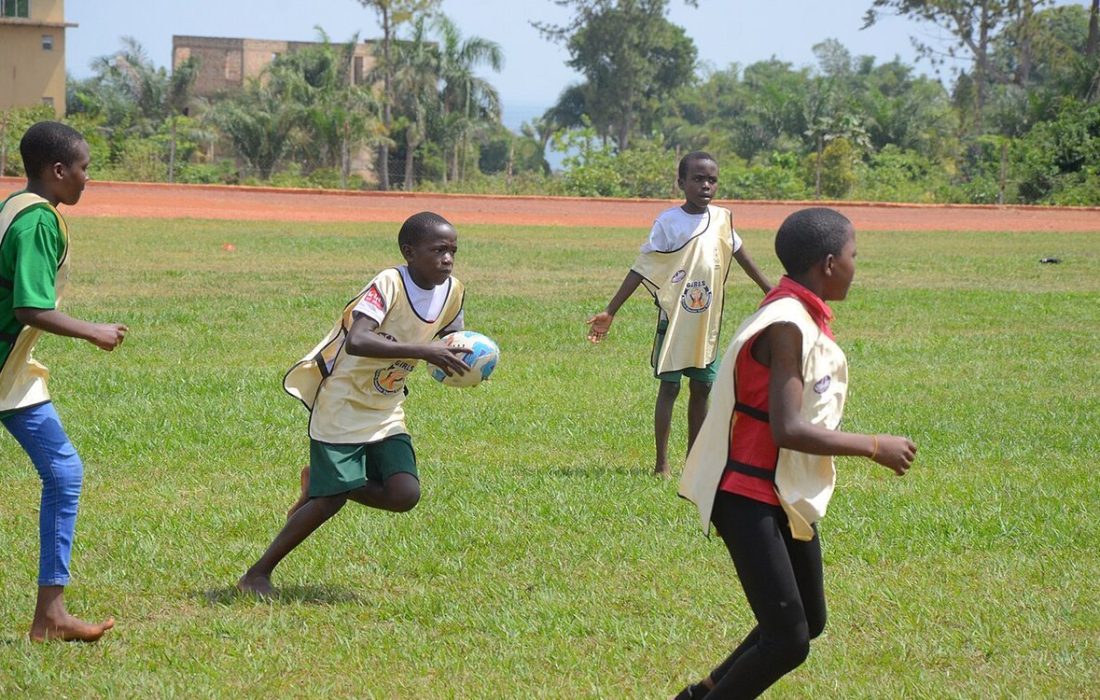
Parents often sign children up for youth sport to keep them active, and that is a fine reason. Yet many adults later say the greatest gift sport gave them was not fitness at all. It was confidence: the quiet belief that they could try something hard, struggle, and improve. Understanding how this happens can help families and coaches support it.
Confidence grows from small, honest progress
Real confidence is not built by praise alone. It comes from doing something difficult and noticing that effort led to improvement. A child who cannot catch a ball in week one but can in week six has direct proof that practice works. That lesson transfers easily to reading, maths, music and any other challenge.
Sport is well suited to this because progress is visible. A kick travels further, a swim stroke feels smoother, a dribble gets past a cone. The feedback is immediate and personal.
Learning that failure is survivable
Every young player drops passes, misses goals and loses games. In a supportive setting, these moments teach resilience. The ball is missed, the world continues, and the next attempt comes a few seconds later.
This matters because many children become cautious when they fear looking foolish. Sport offers countless low-stakes chances to fail and try again. Over time, mistakes feel less frightening and more like information.
The role of coaches and parents
How adults react to mistakes shapes the lesson. A calm response such as “good effort, what could we try next time?” keeps a child engaged. Shouting or sighing teaches the opposite, that errors are shameful. Watching from the sideline, the most helpful behaviour is usually encouragement and restraint.
Belonging to something bigger
Being part of a team gives children a place where they matter. Even a young substitute who plays only a few minutes contributes to the group by cheering, helping with equipment and turning up. That sense of belonging supports self-worth, particularly for children who feel out of place elsewhere.
Team members learn to cooperate, share, take turns and handle disagreements. They also learn that respecting referees, opponents and teammates is part of the game.
What youth sport teaches about effort
Children quickly discover that talent is only one part of success. Showing up, listening and practising matter just as much. Coaches who praise effort, focus and improvement help children develop what is often called a growth mindset: the belief that abilities can be developed.
Here are some ideas adults can use to encourage this:
- Praise specific actions, such as “I liked how you kept trying”, rather than general labels.
- Ask children what they enjoyed, not just whether they won.
- Set small personal goals, like completing ten passes in a row.
- Let children take responsibility for their kit and water bottle.
- Celebrate teammates’ successes as well as their own.
Choosing the right activity
There is no best sport for confidence. The right one is the one a child enjoys enough to continue. Some children thrive in teams, while others prefer individual activities such as swimming, athletics or martial arts. Many benefit from trying several before settling.
Look for programmes that emphasise fun, participation and learning over early specialisation and constant competition. Younger children especially need plenty of playing time and gentle introductions to rules.
Matching the child, not the dream
It is easy for adults to project their own hopes onto a child’s sporting life. Try to follow the child’s interests. If they lose enthusiasm, ask gently why. Sometimes the cause is a small problem that can be solved, such as a poor fit with a coach or a lack of friends in the group.
Supporting youth sport without adding pressure
Good support is often quiet. Make sure the child gets enough sleep and food, arrive on time, and offer a ride home that is free of match analysis. Let the coach coach. Cheer for both teams’ good plays, which models sportsmanship.
Be mindful that not every child wants to win trophies. Some simply want to play with friends. That is a perfectly valid reason to take part, and it often leads to the most lasting enjoyment.
When a child wants to quit
Dropping out is sometimes the right choice, but it is worth talking through first. Is the child tired, bored, anxious or unhappy with the group? A short break or a change of team can make a difference. Teaching children to finish a season they committed to, where reasonable, also builds responsibility.
Skills that carry into daily life
Children who take part in sport practise speaking up, listening to instructions, managing nerves before a big moment and recovering after disappointment. They learn to handle both winning and losing graciously. These are the skills that help in classrooms, friendships and later in the workplace.
Frequently asked questions
At what age should children start sport?
Simple active play can begin very early. Organised activities usually suit children from around five or six, when they can follow basic instructions and enjoy group games.
Does competition harm confidence?
Not by itself. Healthy competition, with fair rules and supportive adults, helps children learn to handle pressure. Problems arise when winning becomes the only thing that matters.
What if my child is not naturally sporty?
Many children start out hesitant. Choose low-pressure, beginner-friendly activities, focus on enjoyment, and let progress happen gradually. Confidence often grows with familiarity.