Team Sports Friendships: Why They Form Fast and Last
Ask someone who played on a team years ago what they remember, and the score will rarely come first. They will talk about the car rides, the terrible jokes in the changing room, the person who always forgot their socks. Team sports friendships have a special quality, and it is worth understanding why they form so naturally and why they tend to last.
A shared goal gives people something to talk about
Making friends as an adult can feel awkward because there is no obvious reason to spend time together. A team solves this at once. Everyone turns up at the same time, wants the same outcome and shares the same small problems: how to defend a corner, how to improve a weak passing game, how to get through a cold, wet training session.
That common purpose removes the pressure of making conversation. You are not trying to impress anyone; you are working on something together. Friendship grows alongside the task.
Repeated contact builds familiarity
Researchers who study friendship often point to repeated, unplanned time together as a key ingredient. Teams provide exactly that. Twice a week, month after month, the same faces appear. You see how a teammate reacts to a mistake, how they celebrate, how they treat the opposition. Slowly, trust builds without anyone deciding it should.
Because the routine is built in, friendship does not depend on someone remembering to send an invitation. The training calendar does the organising.
Struggle and recovery bring people closer
Few experiences bond people like going through something difficult together. A heavy defeat, a rainy tournament day, a tough fitness block: all of these are easier when shared. Teammates see each other tired, frustrated and out of breath, and they stay anyway.
Wins matter too, but it is often the shared setbacks that create the deepest connection. Helping someone recover from a poor game, or being helped yourself, shows what the relationship is made of.
Everyone has a role
In a team, nobody can do everything. Goalkeepers, defenders, setters, bowlers and substitutes all depend on each other. Knowing that others rely on you creates a sense of belonging, while relying on others teaches humility and gratitude. These feelings are the raw material of strong friendships.
Small rituals matter more than you think
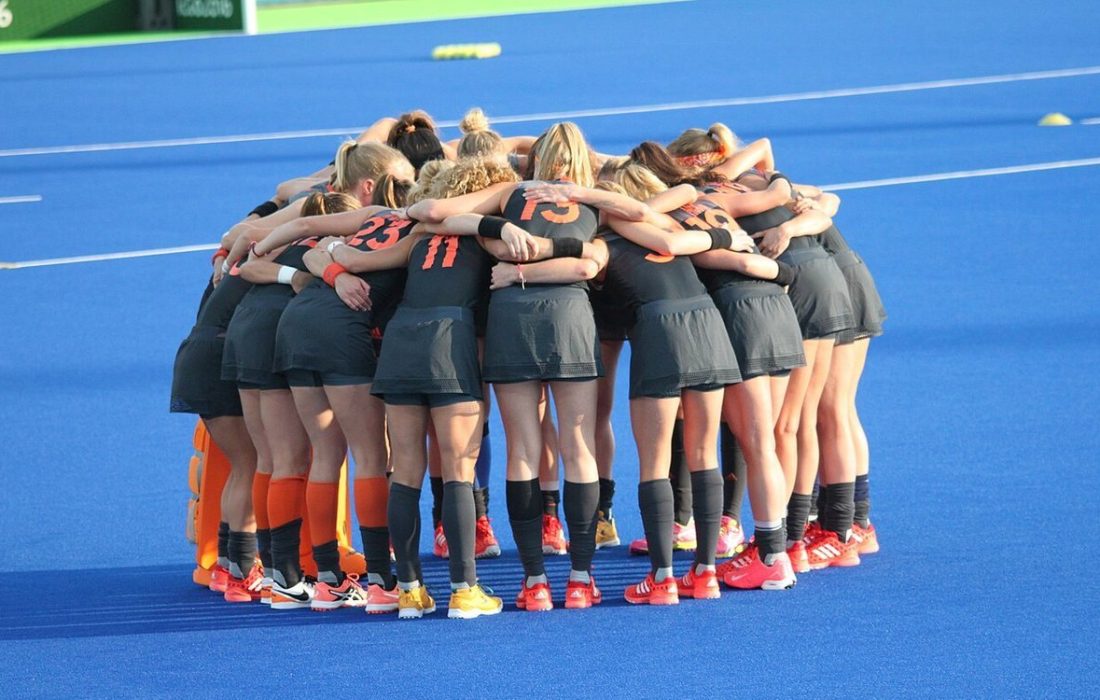
Teams quietly build traditions. They might be a pre-match huddle, a favourite café after practice, a silly nickname or a chant nobody can explain. These rituals mark the group as unique, and they give members a feeling of identity.
Here are some simple rituals that help any group bond:
- Arrive a few minutes early and chat before warming up.
- Share a drink or snack together after training.
- Celebrate small improvements, not just results.
- Welcome new members by introducing them to everyone.
- Mark the end of the season with a casual get-together.
Team sports friendships cross the usual boundaries
On a team, you often meet people you would never have met otherwise. Different ages, jobs, backgrounds and languages meet on the same pitch or court. In the changing room, titles and status matter little. What counts is whether you pass the ball, turn up on time and support others.
This mixing is one reason community teams can feel so valuable. They connect neighbours, colleagues and newcomers to a town in a way few other activities manage. For people who have recently moved, joining a local team is one of the quickest routes into a new community.
Friendship survives the end of playing
Even when people stop playing because of age, injury or moving away, the bonds often remain. Former teammates meet for matches as spectators, share news and turn up at important family events. The shared history is hard to replace, and it keeps the connection alive across distance.
How to make friends through a team
If you are thinking of joining one, a few practical steps help. Look for local clubs that advertise beginner or social sessions, since these tend to be welcoming and relaxed. Attend a few times before deciding, because the first session is often the most awkward. Offer small help, such as carrying equipment or collecting balls, which is a natural way to start conversations.
Be patient. Friendship rarely arrives in a single evening. It builds through many ordinary sessions, and one day you notice that the people around you feel like old friends.
Being a good teammate
The simplest rules apply: be on time, encourage others, accept mistakes calmly, and thank the people who organise things. These small habits build trust, and trust is what turns a group of players into a group of friends.
Frequently asked questions
Do I need to be skilled to join a team?
No. Many clubs run social or beginner groups where enthusiasm matters more than ability. Being friendly and reliable is valued everywhere.
Are friendships on teams different from other friendships?
They often form around action rather than conversation, which makes them feel easy and natural. Many people find they grow close without long talks, simply through shared effort.
What if I am shy?
A team can actually help. The game gives you something to focus on, so you are never forced to make small talk. Over time, the routine makes conversation easier.