Why Film Soundtracks Stay With Us Long After the Credits
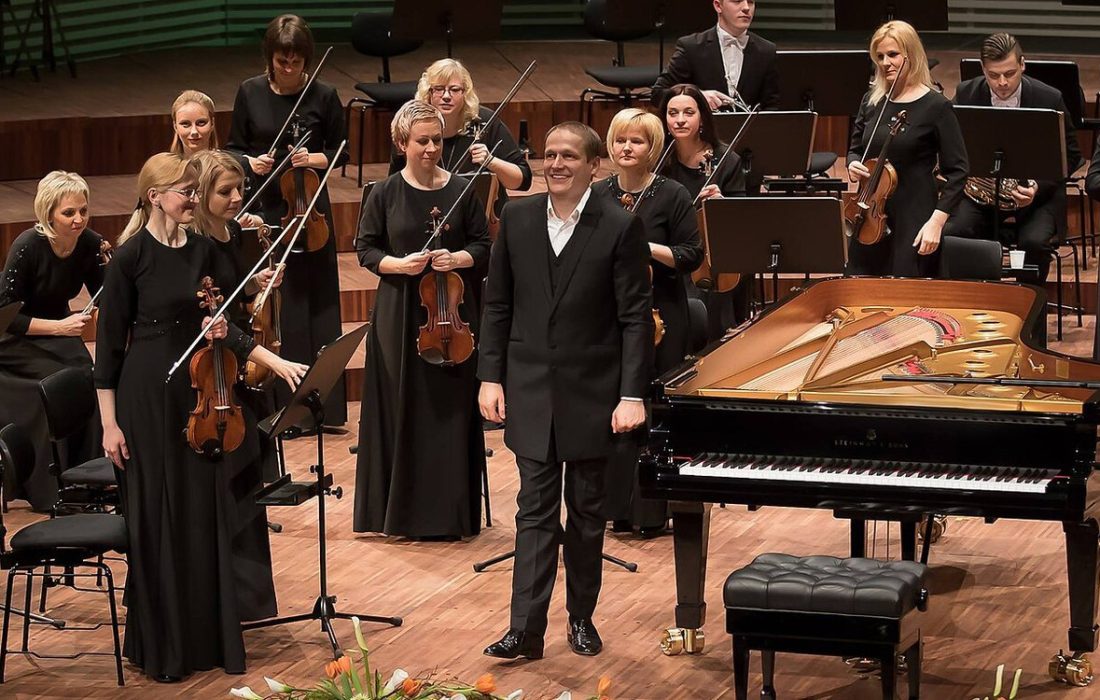
Think of a tune from a film you saw years ago, and chances are the scene comes back with it: the light, the mood, even the seat you sat in. Film soundtracks have a remarkable way of staying with us long after the plot details fade. There are good reasons for that, rooted in how memory, emotion and storytelling work together.
Why film soundtracks lodge in memory
Music is one of the strongest memory triggers we have. A melody gives the brain a compact, repeatable pattern to hold onto, whereas a long stretch of dialogue or a complicated plot is much harder to replay mentally. When that pattern is attached to a vivid scene, the two become linked. Hearing the tune later can bring the whole moment flooding back.
Emotion adds to the effect. We tend to remember things that made us feel something, and music is built to create feeling directly. A rising string section during a farewell or a single quiet note before a surprise does the emotional work before our thinking mind has caught up.
What the music is actually doing on screen
Good film music rarely draws attention to itself while we watch. Instead it quietly performs several jobs at once.
- It sets the mood of a scene before anyone speaks.
- It tells us how to read a moment: is this funny, tender, or dangerous?
- It links characters, places or ideas through repeated themes.
- It controls pace, speeding a sequence up or letting it breathe.
- It fills silence in ways that make a scene feel complete.
Try watching a familiar scene with the sound turned off. It often feels flat, awkward or oddly empty. Then put the music back and notice how the same pictures suddenly carry weight. That small experiment shows how much of a film we feel through our ears.
The power of a repeated theme
Composers often use a recurring musical idea, sometimes called a leitmotif, to represent a person, place or feeling. Each time it returns, the audience carries the earlier meaning forward. A theme first heard during a happy scene can become heartbreaking when it comes back slowed down, in a minor key, near the end.
This is part of why a soundtrack can feel like a story of its own. Listening to the music alone, you can often follow the emotional shape of the film: the quiet opening, the tension, the release. Many people use soundtracks for exactly that reason, as a way to revisit a story in a different form.
Songs versus original scores
Soundtracks come in two broad flavours. An original score is written specifically for the film by a composer who watches the edit and shapes the music around it. A compilation soundtrack uses existing songs chosen to suit the era, the setting or a character’s taste.
Why scores feel timeless
Scores are tied closely to the visuals, so they can create a unique identity for the film. They are usually instrumental, which leaves space for the listener to project their own feelings onto the music.
Why songs feel personal
Songs bring their own history. A well-chosen track can place us in a decade within seconds, or add irony when its lyrics contrast with what we see. Because songs already live in the world outside the film, they can also blend a viewer’s own memories with the story, which is a powerful combination.
Why we replay them outside the cinema
People turn to soundtracks in daily life for practical reasons too. Instrumental scores are popular for studying, working and winding down, because they offer atmosphere without competing lyrics. Others use them to recreate a feeling: the wonder of a fantasy adventure, the calm of a quiet drama, or the energy of an action sequence before a workout.
There is also simple nostalgia. A soundtrack from childhood can reconnect us with who we were at the time. It acts as a small time machine that costs nothing and fits in a pocket.
How to listen more closely
If you want to appreciate film music more deeply, a few habits help. Next time you watch something, notice when the music enters and leaves, and ask what the scene would feel like without it. Pay attention to the instruments: strings often suggest warmth or sorrow, brass can signal grandeur, and electronic textures may create unease or a modern feel.
Afterwards, listen to the score on its own without images. You will probably notice details you missed, such as a theme that appears in disguise or a change of tempo that matched an emotional turn. Reading a little about how composers work, from sketching themes to recording with an orchestra, can also make the craft more rewarding to follow.
Above all, you do not need training to enjoy any of this. Your own reaction is the right place to begin. If a piece of music makes you feel something, it is already doing its job, and the stories we carry with us are often held together by a few well-placed notes.
Frequently asked questions
What is the difference between a score and a soundtrack?
A score is the original music composed for the film, usually instrumental. A soundtrack can mean the score, the songs used in the film, or both together.
Why do some film themes get stuck in my head?
Simple, repeated melodies are easy for the brain to hold, and being tied to strong emotions makes them stickier. Repetition inside the film adds to the effect.
Can listening to film music help with focus?
Many people find instrumental scores pleasant background for work or study because there are no lyrics to distract. Results vary from person to person, so try a few styles and see what suits you.