The Simple Joy of a Board Game Night With Friends
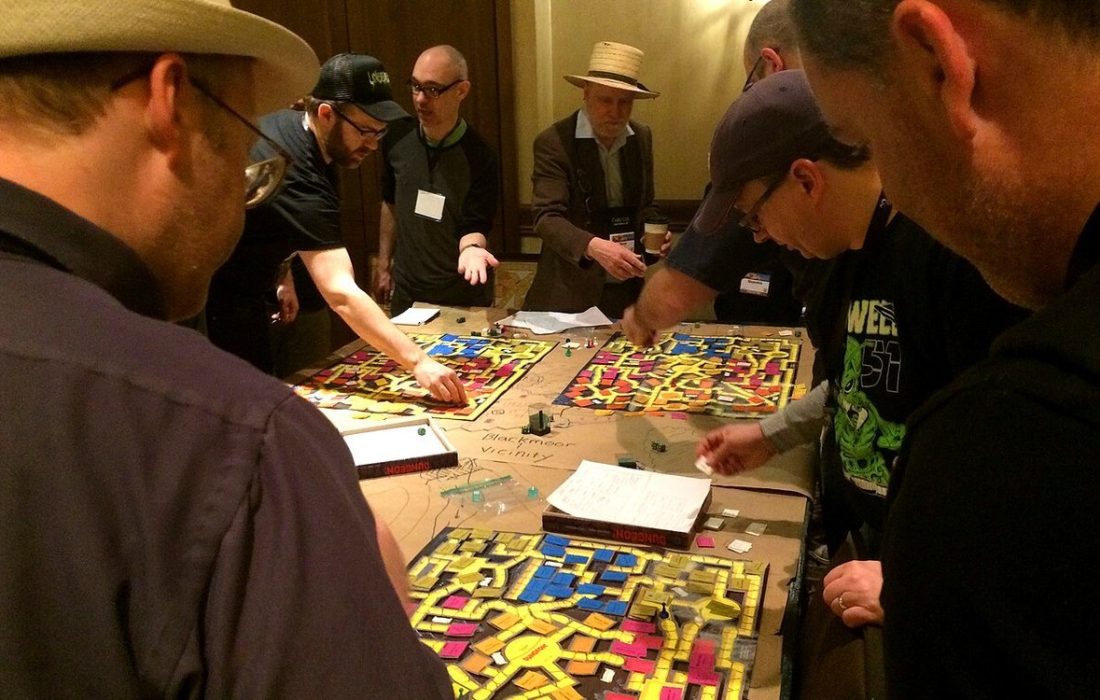
In a world of screens, the simple idea of gathering around a table with friends feels almost rebellious. A board game night asks for nothing more than a few people, a box of pieces and an evening free of notifications. Whether you are a seasoned player or a complete beginner, there is a lot to enjoy, and a few thoughtful choices can make it a regular highlight.
Why a board game night works so well
Games give people a shared task and a reason to look at one another. Conversation flows naturally because there is always something to discuss: a clever move, a lucky roll, a brave bluff. Shy guests find it easier to join in, since the game provides a script of sorts, and long-time friends often reveal new sides of their personality when strategy and humour collide.
There is also the pleasure of working with physical objects. Moving wooden pieces, shuffling cards and rolling dice are satisfying in a way that tapping a glass screen is not. For many people, that tactile quality is half the charm.
Choose games to match your group
The most common mistake is picking a game that is too complicated. A long rulebook at the start can drain the mood before anyone has had fun. Think about who is coming and choose accordingly.
- Beginners and mixed ages: simple, quick games with short rules, such as matching, word or drawing games.
- Large groups: party games where everyone plays at once or in teams.
- Two players: compact strategy or card games designed for pairs.
- Friends who like to think: medium-weight strategy games that reward planning.
- Those who dislike competition: cooperative games, where everyone works together against the game itself.
It is worth keeping two or three options ready. Start with something light to warm up, then move to a longer game if the mood suits.
Teach the rules without losing the room
Explaining a game well is a skill that makes or breaks the evening. Begin with the goal in one sentence, such as: “You are trying to collect the most points by the end of the round.” Then describe a single turn and let people start. Rules stick better when they are practised, so encourage a relaxed first round where mistakes are fine.
Learn it beforehand
If you are the host, read the rulebook before guests arrive and play a few turns alone. Many publishers also provide short tutorials that cover the basics in minutes. Having a clear mental picture of the game lets you teach with confidence.
Keep a reference nearby
Leave the rulebook open on the table and agree to check it quickly when disputes arise. A calm, shared look at the rules is better than an argument from memory.
Set the scene
A good table makes a difference. Make sure there is enough space for the board, cards and drinks, and keep liquids away from components. Good lighting helps people read small text and see the pieces clearly. Offer snacks that do not leave greasy fingers on cards, such as nuts, fruit or small baked items, and keep napkins close.
Background music at a low level adds warmth, but keep it gentle so players can hear each other. Silence the phones, or at least put them away, so attention stays at the table.
Handle competition kindly
Friendly rivalry is part of the fun, yet nobody enjoys a sore loser or a gloating winner. Set the tone early by celebrating clever moves from every player. If someone is falling behind, a good group offers a quiet tip rather than a lecture. Games that eliminate players early can be frustrating, so consider options that keep everyone involved until the end.
Remember that the aim is a good evening, not a flawless victory. If the game is dragging, it is perfectly fine to end it early or switch to another.
Build a simple collection over time
You do not need a shelf full of boxes. Begin with three or four well-chosen games covering different styles: one light party game, one cooperative game, one strategy game and a deck of cards, which can be used for dozens of different games. Borrow from friends, visit local game cafes, check library collections or attend community meet-ups to try before buying.
Store games carefully, with small pieces in resealable bags, so setup is quick next time. A tidy box makes it much easier to say yes to an impromptu evening.
Make it a tradition
The real magic comes from repetition. Choose a regular night, perhaps once a fortnight, and rotate the host. Keep an informal scoreboard or a running joke from past games. Over weeks and months, the table becomes a place for stories, in-jokes and friendships that deepen. A board game night is simple, affordable and welcoming, and it gives busy people a dependable reason to sit together and laugh.
Frequently asked questions
How many people do I need for a board game night?
Two is enough for many games, and the sweet spot for most groups is three to five. Party games can comfortably handle larger gatherings.
What are good board games for complete beginners?
Look for games with short rules and quick turns, such as word, drawing or simple set-collection games. Most can be taught in about five minutes.
How can I stop games from becoming too competitive?
Try cooperative games, play in teams or avoid options where players are eliminated early. Setting a friendly tone at the start also helps.