Mild or Medium: Which One Is Hotter?
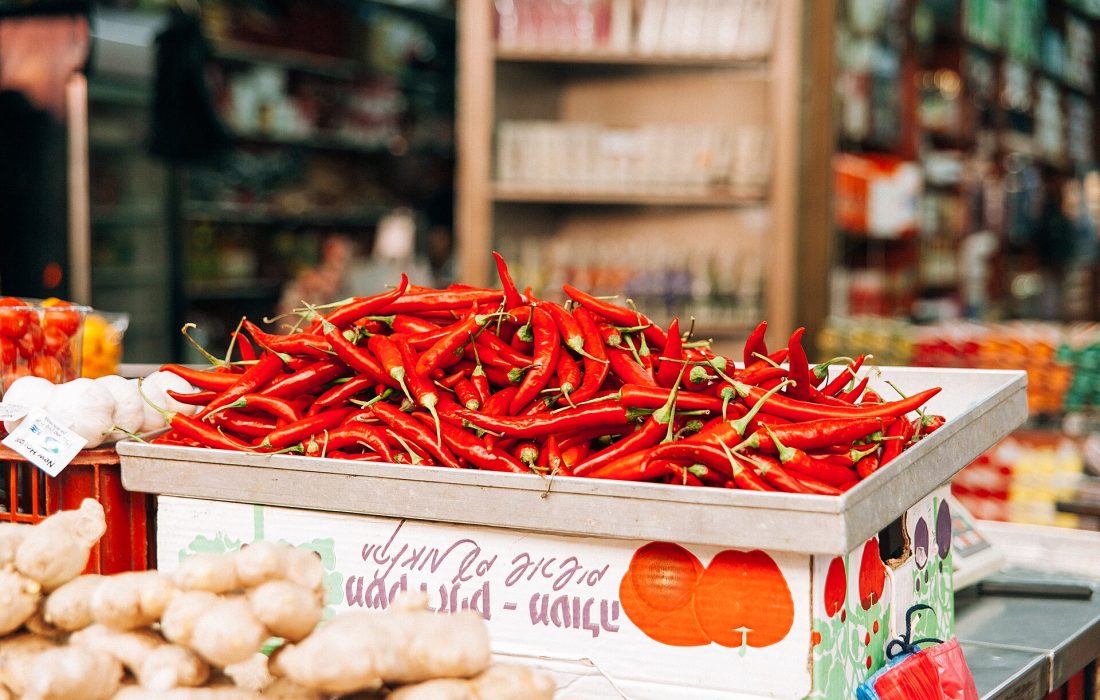
Anyone who has stood at a taco truck, a salsa shelf or a wing counter knows the moment. Two labels, two heat levels, and a quiet fear of picking wrong. So when people ask whether mild or medium hotter is the right way to think about it, the short answer is that medium is hotter than mild, every time the labels are used honestly. The long answer is more interesting, because there’s no rulebook behind those words.
Unlike the Scoville scale, which measures capsaicin and gives a number, mild, medium and hot are just marketing words. Each brand decides what they mean. A mild salsa from one company can taste livelier than a medium from another. That’s why you’ll sometimes hear someone swear that a “mild” sauce made their eyes water. They aren’t exaggerating, they just grabbed a brand with a bolder idea of mild.
Still, the order never flips inside a single brand. Mild sits at the bottom, medium in the middle, hot at the top. If you’re comparing two jars from the same maker, pick medium and you’ll get more kick. Simple as that.
What “mild” usually means
Mild is meant to be friendly. You’ll taste tomato, onion, garlic and maybe a hint of green pepper, with just a whisper of warmth at the back of your throat. In pepper terms, think bell pepper with a tiny bit of jalapeño, if any at all.
Most mild products land somewhere under 1,000 Scoville heat units, though they rarely print the number. If a label says “family friendly” or “great for everyone,” that’s a good sign you’re in mild territory.
Where medium fits in
Medium is the tricky one. It’s the setting most restaurants default to, and it’s meant to give you a clear tingle without ruining your meal. You’ll notice the heat on your lips and tongue, you might reach for water once or twice, but you’ll still taste the food. Jalapeños are the usual source, sitting at roughly 2,500 to 8,000 units.
That’s a big jump from mild. A medium wing sauce, for example, can feel two or three times as strong as the mild version, even though both come from the same bottle with a little extra cayenne stirred in.
And hot?
Hot is where brands stop playing it safe. Expect habaneros, serrano peppers or cayenne in meaningful amounts. People who love spicy food enjoy it, and people who don’t usually regret it. If medium makes you sweat a little, treat hot as a separate commitment.
How to pick without guessing
Here are a few habits that save a lot of disappointment:
- Read the ingredient list. If jalapeño or habanero shows up near the top, expect more heat than the front label admits.
- Ask for a sample. Most taquerias and wing shops will happily hand you a tiny cup.
- Start one step below what you think you can handle. You can always add hot sauce to a mild dish, but you can’t take it out.
A quick real-world example
Say you’re making chili for six people. Two of them love heat, two hate it and two are somewhere in the middle. Make the pot with mild salsa, then set out a small bowl of chopped jalapeños and a bottle of hot sauce. The heat lovers build their own bowls, the cautious ones stay comfortable, and nobody has to quietly suffer through dinner. That approach beats guessing at medium and hoping for the best.
If you want a deeper side-by-side look at everyday word pairs like this one, the folks at compairro.com keep a running collection of them, and it’s worth a browse the next time a “which one is it” question comes up at the dinner table.
So, medium is hotter than mild, and hot is hotter than medium. Beyond that, trust your own tongue more than the label, and taste before you commit to a whole jar.