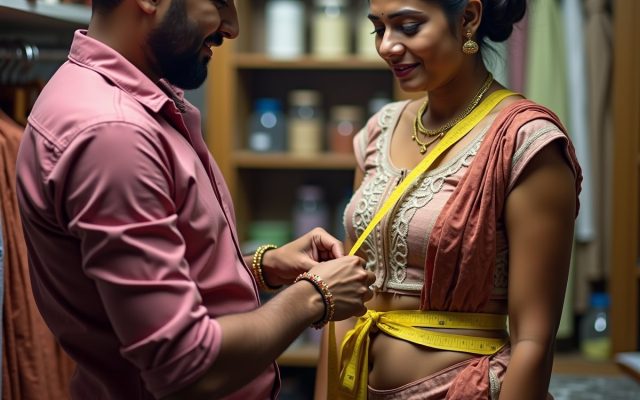
Choosing an Interview Outfit When You Are Unsure of the Dress Code

Few wardrobe decisions feel as loaded as choosing an interview outfit. You want to look capable and sincere without appearing as though you are wearing a costume. The right answer varies by industry and by company, yet a few principles apply almost everywhere. If you follow them, you can walk in feeling settled and let your answers do the talking.
The goal is simple: look like someone who already belongs in the role, a notch smarter than the daily dress code.
Research the workplace first
Start by finding out how people dress there. Look at the company website, team photos or professional profiles, and notice what colleagues wear. You can also ask the recruiter or hiring contact directly about the dress code. This is a perfectly normal question and shows you care about fit.
As a rule of thumb, dress one level above the everyday standard. If staff wear jeans and plain tops, smart trousers and a neat shirt or knit will work. If they wear suits, wear a suit. If the environment is practical, such as a workshop or kitchen, choose clean, tidy and sensible clothing and bring the safety footwear if you are asked to.
Fit and comfort come first
An expensive outfit that pinches will distract you for an hour. Choose clothes that fit well in the shoulders, waist and length, and make sure you can sit, stand and gesture naturally. Try everything on a few days before, and sit down in it for a while. Check the outfit in good light as well as in a mirror, because creases and stains show more than you expect.
Choose fabrics that suit the weather and your nerves. Nervous people sweat, so breathable cotton, wool blends or light layers help. Avoid anything you will fidget with, like a loose scarf or a collar that keeps flipping.
A reliable interview outfit formula
When in doubt, use a combination that rarely fails:
- A clean, pressed top such as a plain shirt, blouse or fine knit
- Well-fitted trousers, a skirt of modest length or a smart dress
- A layer like a blazer or tidy cardigan that adds structure
- Closed, polished shoes that are comfortable to walk in
- Minimal accessories that will not jingle or catch the eye
Neutral colours like navy, grey, black, cream and soft blue are safe, and a single touch of colour can add personality. Plain or subtle patterns usually look more composed than busy ones.
Grooming and small details
Details signal care. Make sure shoes are clean and scuff-free, nails are tidy, hair is neat, and clothes are free of lint, pet hair and wrinkles. Iron or steam the day before, and lay everything out the night before so the morning is calm.
If you wear fragrance, keep it very light or skip it, since some workplaces are sensitive to scents. Carry a small bag or folder rather than a bulky rucksack, and bring spare copies of your CV and a pen.
Video and phone interviews
For video calls, the same thinking holds, but the camera frames only the top half of you. Choose a solid colour that contrasts gently with your background, and avoid tight stripes or small checks that can shimmer on screen. Dress fully, including trousers and shoes, because it affects how you carry yourself and avoids awkward surprises if you have to stand up.
Test your lighting and sit near a window if possible. A tidy, neutral background lets the interviewer focus on you.
Common mistakes to avoid
Things that tend to backfire include clothes you have not worn before, brand-new shoes that cause blisters, strong perfume, and anything too revealing, too casual or covered in large logos. Overdressing slightly is rarely a problem, but a rumpled or ill-fitting outfit can create a poor first impression.
Plan the practical side too. Do a trial run of your route so that you arrive ten or fifteen minutes early, and keep a small kit in your bag with tissues, a lint roller, mints and a spare pair of tights or a clean shirt if your journey is long. Weather can undo a neat look, so carry an umbrella or choose a coat that suits the forecast. Arriving calm matters as much as arriving smart.
Finally, remember that clothes only support your preparation. Once you are dressed comfortably and appropriately, give your attention to the conversation, your questions and your story.
Frequently asked questions
Is it better to overdress or underdress for an interview?
Slightly overdressing is generally safer, as it shows respect for the opportunity. Aim for one step above the usual workplace standard rather than a formal suit for a casual setting.
Do I need to buy new clothes for an interview?
Not necessarily. A clean, well-fitted outfit you already own and feel good in is better than a new one you have not tested. Only buy if nothing suitable fits.
What colours are best for an interview?
Navy, grey, black, cream and soft blues are reliable choices. You can add a muted accent colour if it suits you, but keep the overall look calm and polished.