India Urban Report: Cities Have Miles to Go
The National Institute of Public Finance and Policy (NIPFP) has released the draft of the India Urban Report, bringing to light issues affecting urban Indian settlements.
As per the report, urban settlements house 30% of India’s population and growth rates have registered a modest increase at best. Examining the changes in the urban landscape, economy, infrastructure and services, the report has exploded a few myths the latest consumer boom has brought about.
Highlights of the report:
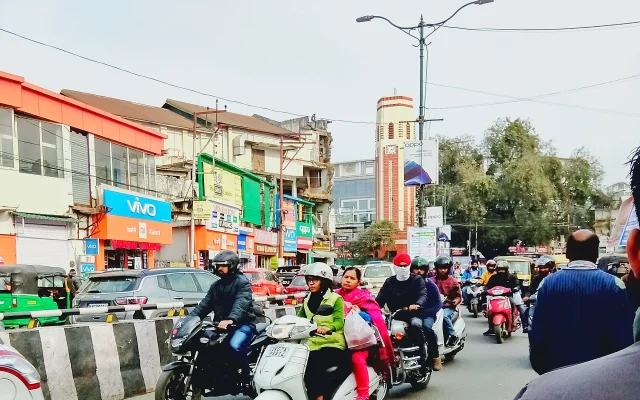
Concentration of urban population in larger cities: Seven of India’s largest cities are entering a ‘metropolitanisation’ phase, evolving into urban corridors. Delhi, Mumbai, Kolkata, Chennai are joined by Hyderabad, and Ahmedabad where urban population is growing faster in the peripheral suburbs, putting pressure on the cities’ civic
and transport infrastructure.
Manufacturing remains the core activity, employing 23% of the urban workforce,
with wholesale, retail and hospitality accounting for 22%. However, manufacturing
is not the largest contributor to the GDP, and its share is being eroded
in urban centres by public administration, defence and other services.According to the report, financial intermediation and organised real estate development will determine the economy of the urban centres in the future.
The research highlights the regional imbalances in urbanization – while Goa, Gujarat, Maharashtra, Punjab and Tamil Nadu have 35% of their population urbanized, Uttar Pradesh, Orissa and Bihar have 20%, 14.3% and 10% of their residents in urban settlements respectively.
While the urban centres have a lower proportion of poor, their numbers
are steadily rising.
Infrastructure:States with better infrastructure are also the states with a higher GDP, with Delhi and Kerala on the two ends of the scale. In question are the reliability, adequacy and the quality of infrastructure. As per the report’s findings,
- 90% of all urban homes have a water connection
- 40% of these do not have access to safe drinking water
- 50% get their supply from sources other than tap water
- On an average, households get water for just 2.9 hours a day, with 40 to 60% lost to distributional leakages or theft
- Round the clock water supply is not assured in any city
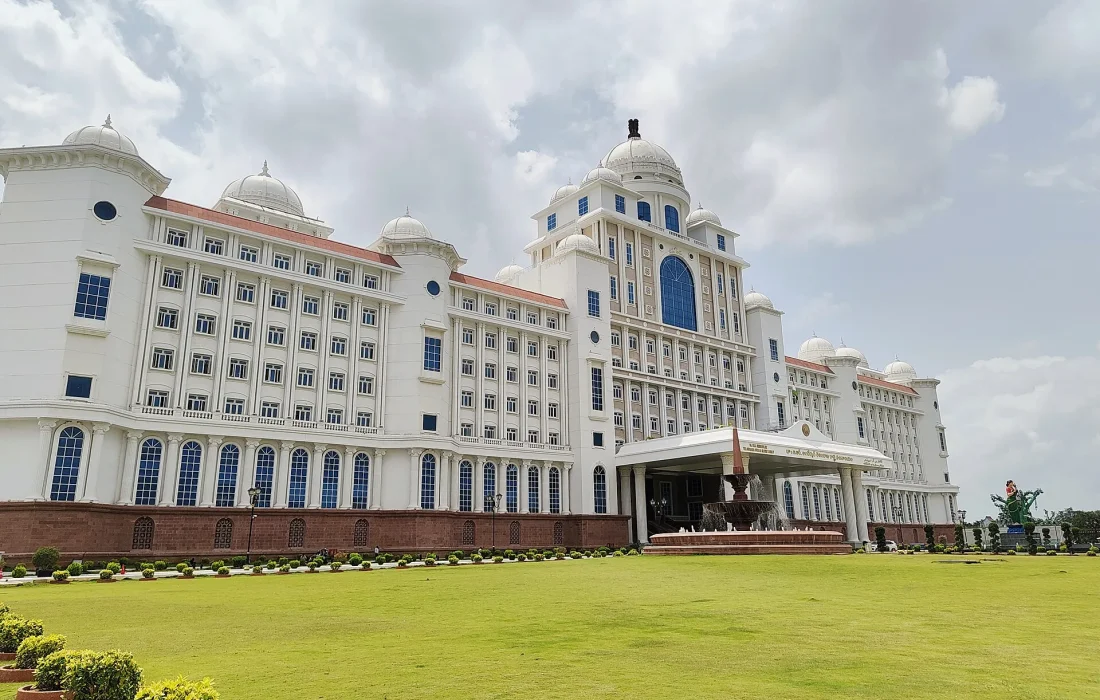
Photo: Dr.B.R. Ambedkar Telangana State Secretariat Hyderabad (59137) by Kavali Chandrakanth KCK, licensed under CC BY-SA 4.0, via Wikimedia Commons.